
Where is your water shut-off valve, and does it actually turn?
Where the main water shut-off usually is, how to tell whether it still works, why an old gate valve can let you down, and the curb box you should leave alone.
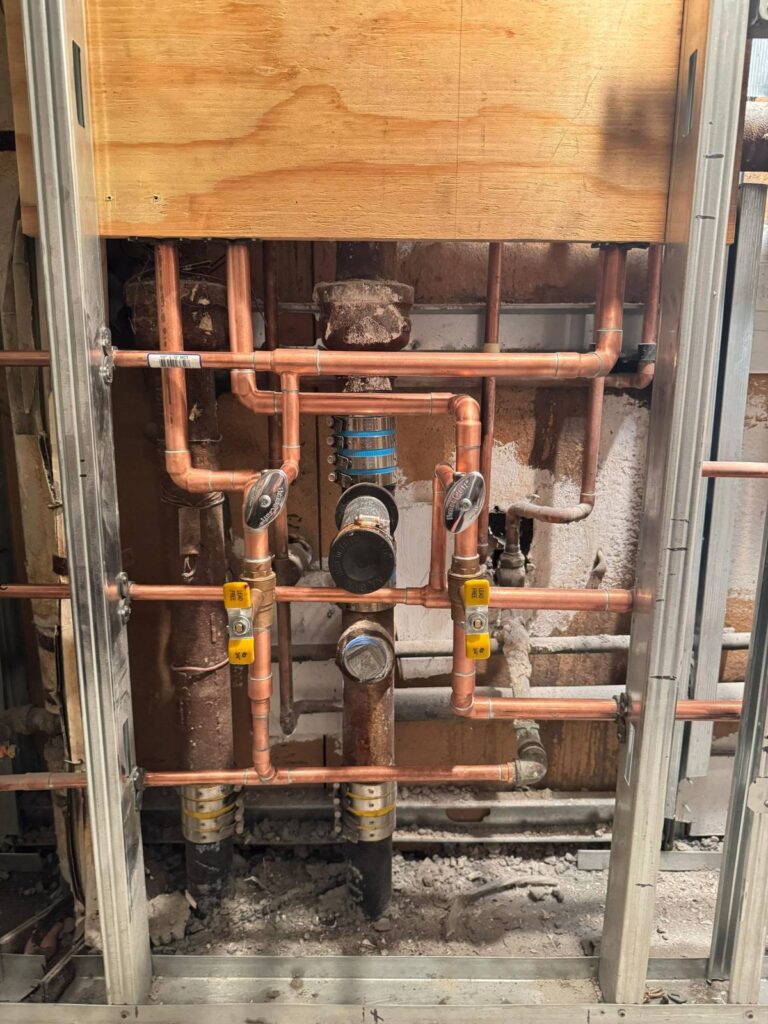
Every house has one valve that turns off all the water, and in most houses nobody living there could find it in the dark. The water shut off valve is the one piece of plumbing worth knowing before anything goes wrong, because the night a pipe splits is the worst possible time to start looking for it.
This is where it usually is, how to tell whether it still works, and what to do in the ten minutes after you find it.
Where the water shut off valve usually is
It sits where the water service comes into the house, which means it is almost always on the wall facing the street. In order of likelihood:
- The basement, on the front foundation wall, usually within a few feet of the water meter. Follow the pipe from the meter back toward the wall and the valve is normally just inside, before anything branches.
- A crawl space or utility closet in houses without a full basement, again on the street side.
- Beside the water heater in some later houses and conversions, where the service was rerouted.
- In a two-family or apartment building, there is often a valve per unit as well as one for the building. Know which one is yours.
Gate valve or ball valve: why it matters
A water shut off valve comes in two kinds, and the difference decides whether it will help you in an emergency.
- A ball valve has a lever. A quarter turn closes it. Lever across the pipe means off, along the pipe means on. These are reliable and they are what a valve should be.
- A gate valve has a round wheel and takes several turns. Older houses here are full of them. They seize after years without moving, and an old one often does not close fully even when it turns.
Test it now, in daylight
Turn the water shut off valve off, then open a faucet upstairs and see whether the water actually stops. Then turn it back on slowly.
- If it turns and the water stops, good. Exercise it once or twice a year so it stays that way.
- If it is stiff, do not force it with a wrench. An old gate valve can snap its stem or start leaking from the packing nut, and then you have a leak at the one valve meant to stop leaks.
- If it turns but the water keeps running, the gate inside has worn or come off the stem. It is not doing its job and it should be replaced.
- If it drips from the stem after you turn it, a quarter turn on the packing nut often stops it. If it does not, that is a replacement too.
The curb box is not yours to turn
Out near the street there is usually a second shut-off under a small round cover, the curb box. It needs a long key to operate, in many places the water supplier expects to be the one who turns it, and turning it yourself can damage it. If your own water shut off valve will not close and water is coming in, that is when you call the water supplier to shut the curb box.
Who turns that valve and who owns the pipe are separate questions. In Yonkers and White Plains, the property owner owns the entire water service line, all the way out to its connection at the main, so a leak under the sidewalk or the street can still be yours to fix. In other towns, ask your water supplier where your part ends; who supplies each town we cover is on our service area page.
The smaller valves that save you first
For a leak at one fixture you do not need the main at all. Most fixtures have their own:
- Under each sink, two small oval handles, hot and cold.
- Behind the toilet, one, on the pipe feeding the tank.
- On the water heater, a valve on the cold supply going in.
- On the washing machine, two, behind it.
These seize too. Turn them once while you are checking the main.
What to do once you have found your water shut off valve
- Label it. A tag that says MAIN WATER is enough.
- Show everyone who lives in the house, including whoever is most likely to be home alone.
- Keep it clear. Not behind shelving, not under stored boxes.
- Leave a flashlight nearby if it is in a basement corner with poor light.
When to replace the water shut off valve
If it will not turn, will not close, or leaks when you move it, replace it before winter rather than during a frozen night. Swapping a seized gate valve for a ball valve is a short job when nothing is wrong, and a much worse one when water is already on the floor. If a pipe has already split, shut off what you can and call for burst pipe repair or an emergency plumber. For the pipes most likely to freeze first, see our guide to frozen pipes.
KBD Plumbing & Heating works across lower Westchester — Dobbs Ferry, Hastings-on-Hudson, Irvington, Yonkers, White Plains and the rest. Licensed and insured, price agreed before work starts, and the phone is answered any hour including holidays: (914) 233-3000.
Services in this article
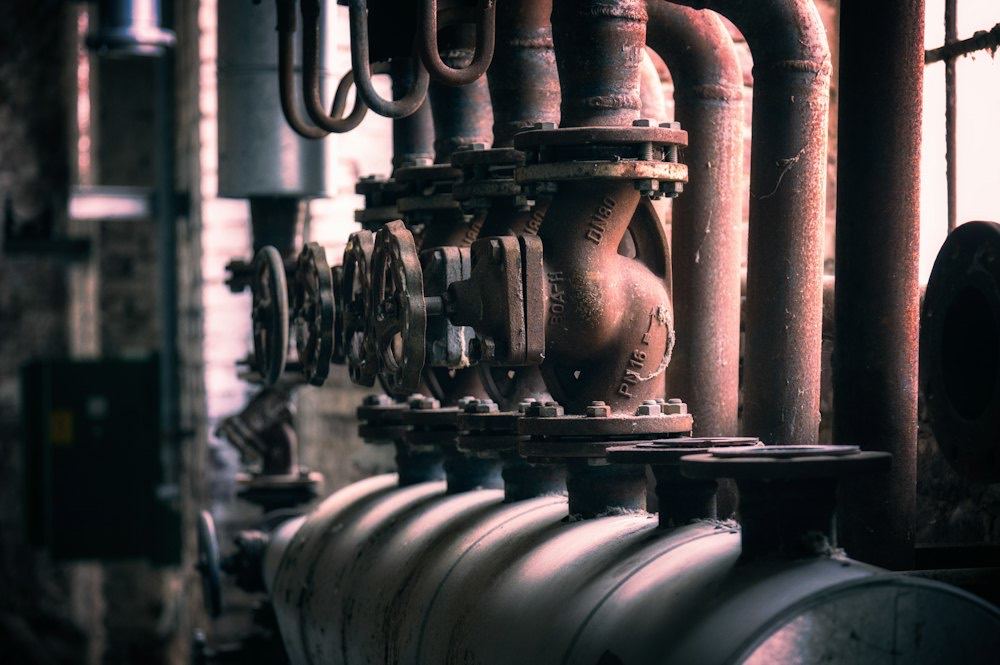
Frozen & burst pipe repair
Frozen pipe repair across Westchester at any hour: frozen runs thawed without flame and checked for splits, and burst pipe repair when the pipe has already given way.
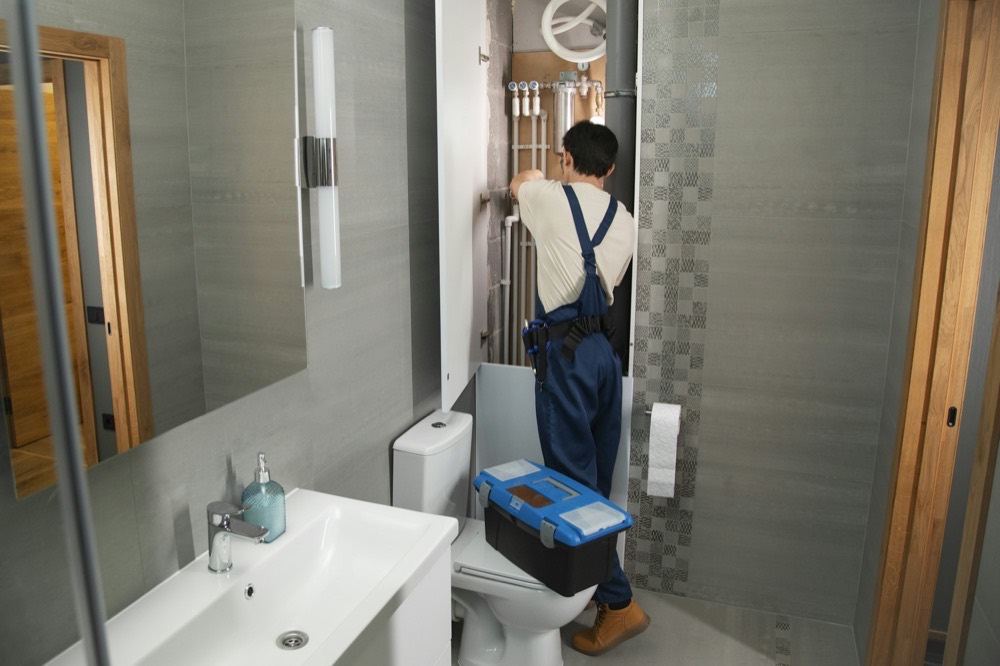
Emergency plumbing
Need an emergency plumber in Westchester? Water you can’t stop, sewage backing up, a gas smell or no heat in freezing weather: what counts, what to do first, and who to call at any hour.
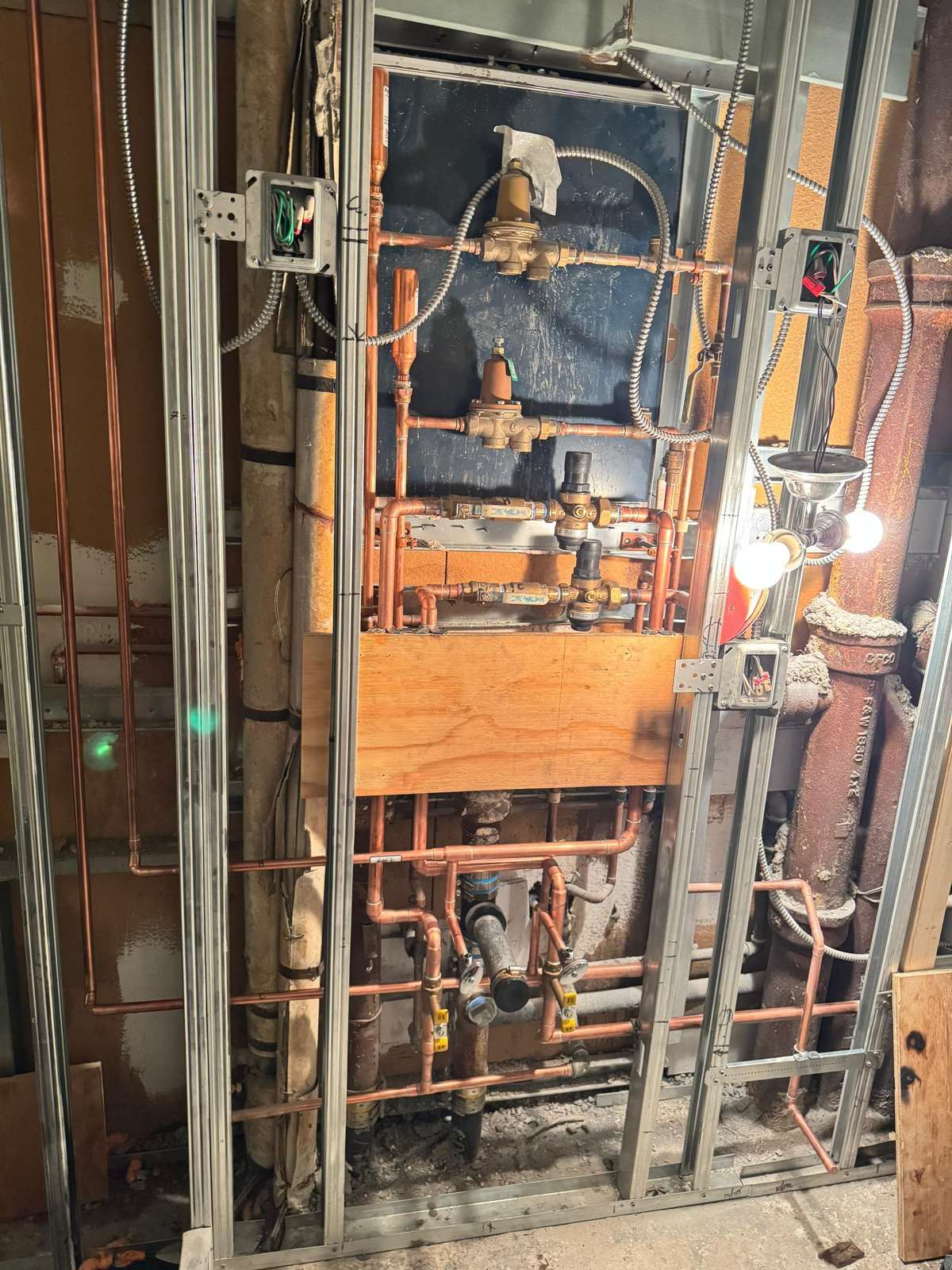
Leak detection & repair
Leak detection across Westchester — the stain on the ceiling, the meter that never stops, the damp patch in the basement. We find where the water is actually coming from, then repair it.
5.0 from 4 customer reviews on Thumbtack
- Top Pro 2025 on Thumbtack
- Background checked
Terrific — smart, professional, honest. Very experienced problem solver. I was very impressed with his skills and troubleshooting ability.
Arrived on time, diagnosed the problem quickly and had everything repaired in no time. The work was clean and professional.
Based in Dobbs Ferry, across lower Westchester
Just outside these towns? Call anyway and we’ll tell you straight whether we can help.